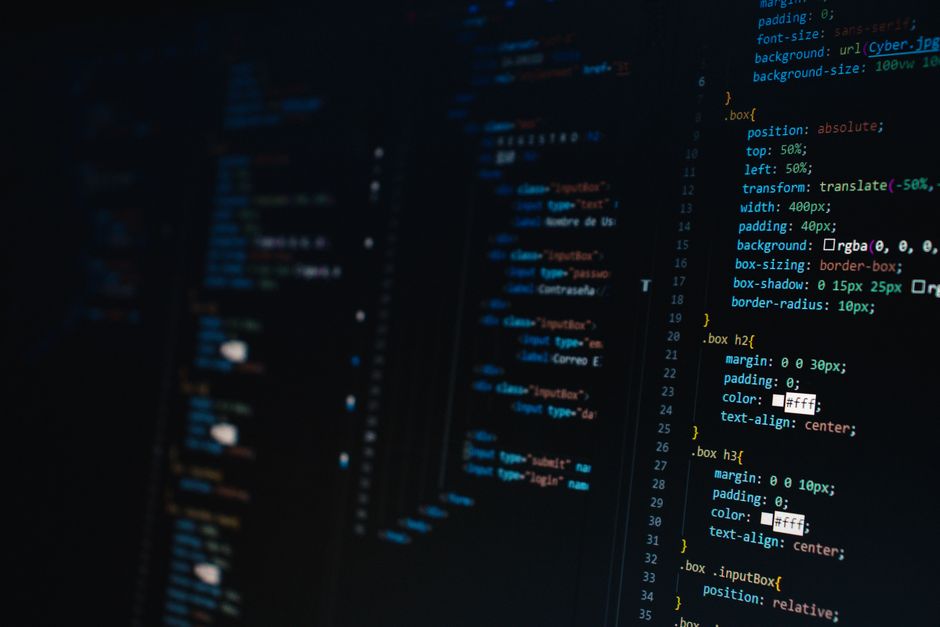
Our modules start with Python for fundamentals, then move into JavaScript for web development and SQL for data handling. Each language track includes guided exercises and a final project to confirm you can apply the syntax in a real codebase.
No. The first module assumes zero background and walks through setup, basic syntax, and debugging habits. If you already know some programming, you can skip ahead after a short placement check.
Each module is split into short lessons, practice tasks, and a review quiz. You work through them at your own pace, and every section ends with a small project that ties the concepts together.
Yes. Completing all lessons and the final project in a module earns a completion record you can add to your portfolio or resume. The record lists the exact skills covered in that module.
All lessons and code editors work in a standard browser, so you can study on a laptop, tablet, or phone. The interface adapts to smaller screens, and your progress syncs across devices.
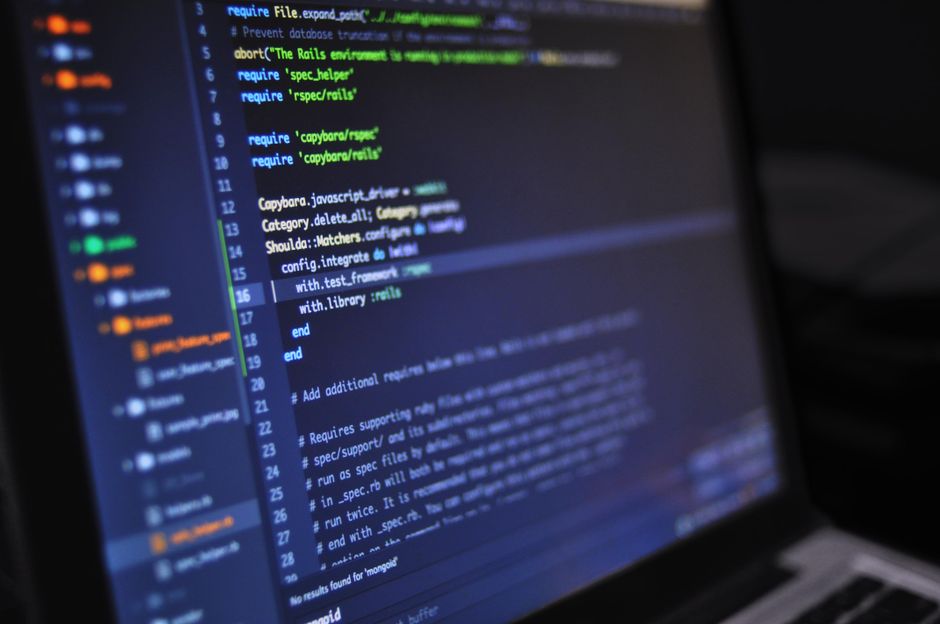
A module is considered complete when you have finished the assigned exercises and passed the short self-check quiz at the end of each section. The quiz is not graded externally; it exists to confirm that you can apply the syntax or concept on your own. You can retake it as many times as needed without affecting your progress record.
Yes. The first track, Coding Fundamentals, assumes no prior experience. It starts with how to set up a local development environment, then moves through variables, conditionals, loops, and functions. If you already know some programming, you can skip ahead using the placement checklist at the start of each module.
Each track is split into weekly units with a clear objective, a set of short video lessons, and a practical assignment. The units build on each other, so we recommend following the order shown in the dashboard. You can pause a track at any time and resume from the same unit; your progress is saved automatically.
Yes, but certificates are issued per track, not per individual module. To earn one, you need to complete all units in the track and submit the final project. The certificate lists the track name, the skills covered, and the date of completion. It does not include any grade or score.
For most modules, a modern browser and a free code editor are enough. The Python track requires a local installation of Python 3.10 or newer. The web development track uses Node.js for the later units. We provide setup guides for Windows, macOS, and Linux at the beginning of each relevant module.
Yes. Once you complete a track, the lessons, code samples, and assignments remain available in your dashboard. You can revisit any unit to refresh your knowledge or reuse the reference sheets. The only part that expires is the final project submission window, which closes two weeks after the track ends.
These notes are meant to remove ambiguity before you start. If a specific case is not covered here, the support team can clarify it within one business day.
A structured set of practical resources that map directly to the modules in our programming curriculum.
Each lab focuses on a single concept — from variables and loops to API design — with short exercises that build on the previous one. You work in your own editor, then compare against reference solutions.
Every project includes a Git checkpoint where you practice branching, merging, and writing clear commit messages. This mirrors how teams collaborate on real codebases.
A collection of accessible UI patterns — navigation, forms, cards, and data tables — built with semantic HTML and modern CSS. Use them as starting points for your own layouts.
Hands-on exercises that walk through common runtime errors, edge cases, and unit testing with a simple test runner. You learn to isolate issues and verify behavior systematically.
Guides that explain how to give and receive constructive feedback on pull requests. Includes checklists for logic, readability, performance, and security considerations.
Short tutorials covering shell navigation, file manipulation, and writing small scripts to automate repetitive tasks. These skills carry across every development environment.
Every course at Maryland Tech Institute moves through a structured production flow. We map the curriculum, build the materials, test the exercises, and refine the experience before a single student sees the module.
01
02
03
04
05
06