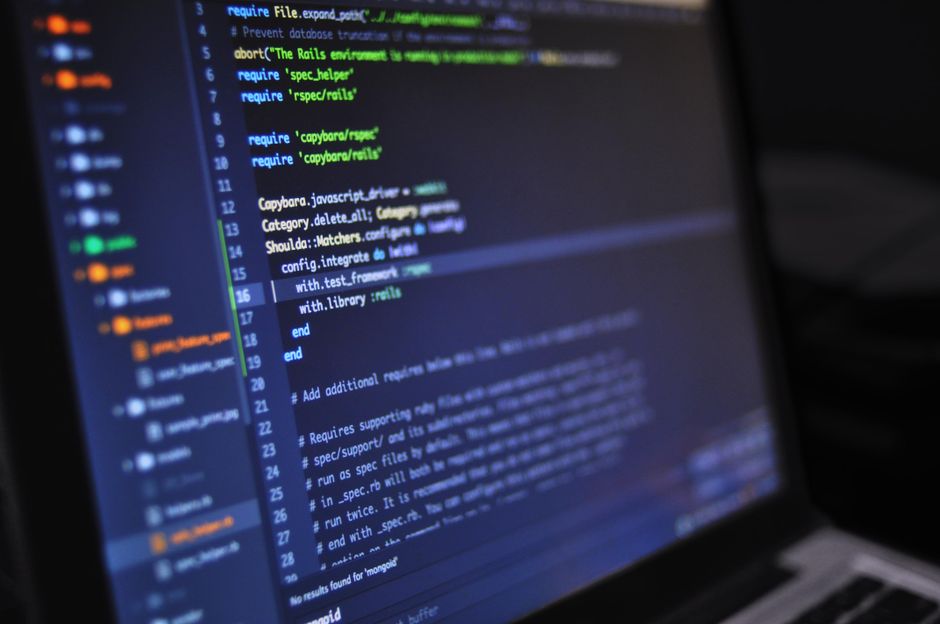
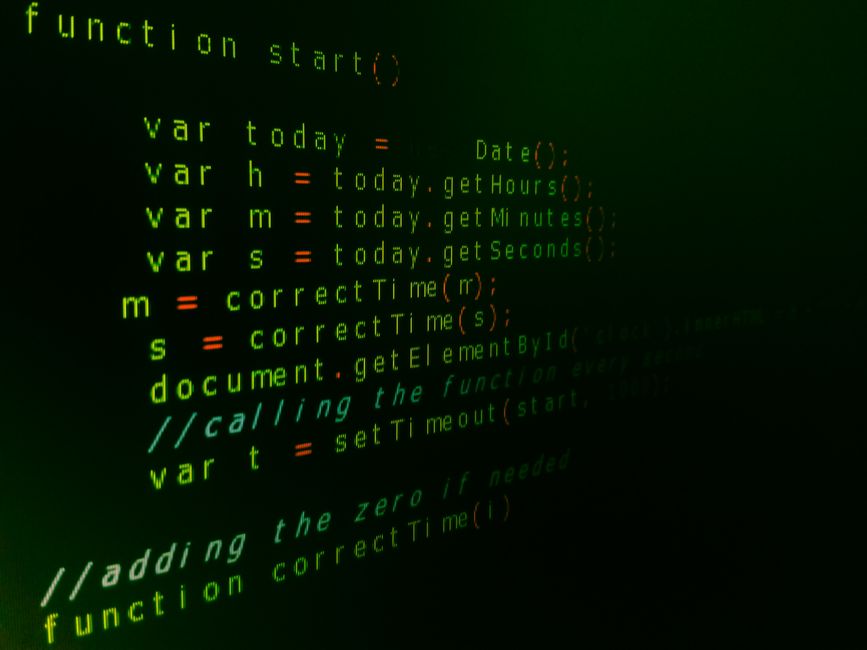
Maryland Tech Institute structures its curriculum around practical programming tracks: coding fundamentals, software architecture, and the tooling used in modern development teams. Each module builds on the last, so you move from syntax to shipped projects without gaps.

Maryland Tech Institute builds learning materials for people who want a clear path into programming and software engineering. We organize content into technical modules, each covering a specific skill area, so you always know what to study next and why it matters.
Our audience includes career switchers, self-taught developers, and junior engineers who need reliable structure rather than scattered tutorials. We keep the tone direct, practical, and grounded in real development workflows.
Pick a programming track, work through the modules at your own pace, and build a portfolio of small projects along the way. No prior experience required to begin.
Every module is built around a single outcome: you finish with a skill you can apply immediately. No filler lectures, no abstract theory without context.
Courses are split into focused modules that each cover one core concept, from variables and control flow to API design. You complete one block before moving to the next, so fundamentals stay solid before you tackle advanced topics.
Each module pairs short explanations with runnable code samples and small challenges. You write, test, and debug real programs during the lesson, not just after it. This turns passive reading into active practice.
At the end of each track, you build a small application that combines everything from the previous modules. These projects mirror common developer tasks, so your portfolio reflects actual job-ready work.
Your dashboard shows which modules are complete, which exercises need revision, and where you spent the most time. Instructors review submitted assignments with specific comments, not just a pass or fail mark.
Lessons use the same editors, version control systems, and debugging workflows found in professional teams. You learn Git, terminal commands, and code review practices alongside the language syntax.
Every module includes a searchable set of notes, code snippets, and common error explanations. When you get stuck on a project, you can look up the exact pattern instead of guessing or searching through scattered forum posts.